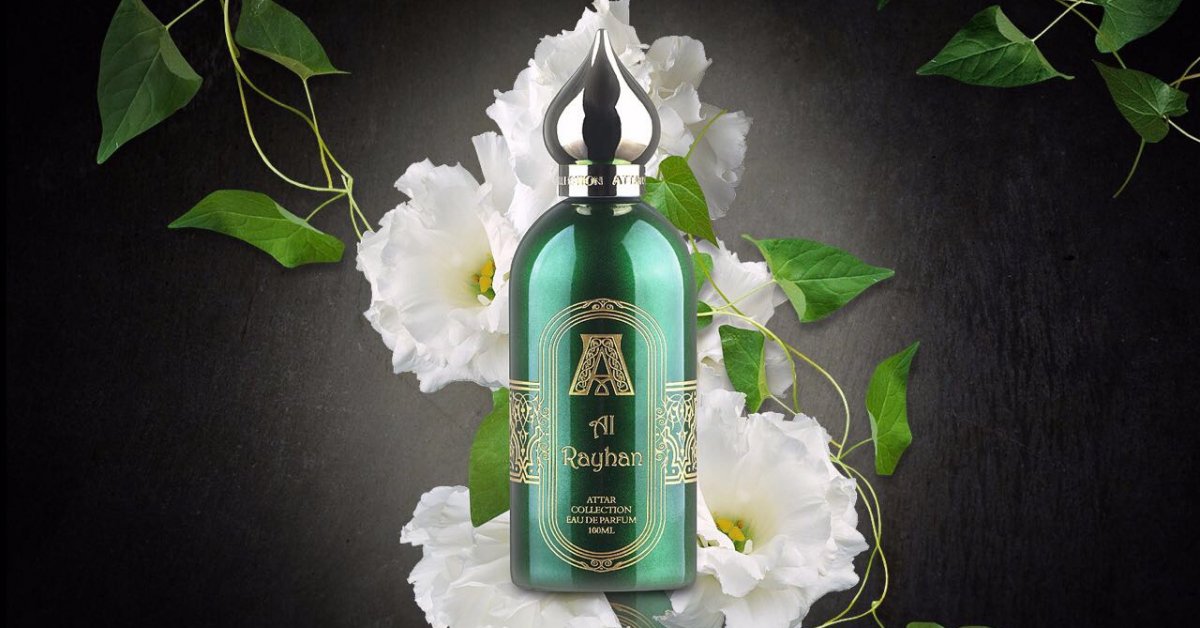
In a world where first impressions are often defined by sight and sound, the sense of smell remains an intimate, invisible language that speaks directly to the soul. Perfume — that delicate blend of nature, chemistry, and artistry — is more than a pleasant aroma. It’s emotion, memory, and identity captured in liquid form. Modern perfumery is not just a craft; it’s an expression of human psychology and artistic innovation. Each bottle holds not merely a fragrance but a story — bottled emotions waiting to unfold.
The Invisible Language of Scent
Smell is the oldest and most primal of the senses. Long before written words or visual art, humanity recognized the power of aroma — burning herbs to purify, applying oils to heal, and wearing natural essences to attract or comfort. The olfactory sense is directly linked to the limbic system, the brain’s emotional center. This is why a single whiff can summon vivid memories or feelings.
A hint of jasmine might remind someone of a summer evening, while sandalwood might recall the calm of a sacred space. Perfume, therefore, is not simply a cosmetic accessory — it’s an emotional trigger. The scent we choose to wear often reflects how we feel or how we wish to be perceived. It’s a language without words, a personal aura that introduces us before we speak.
The Artistry Behind Every Drop
Modern perfumery is an extraordinary balance of science and imagination. The process begins with the nose — the perfumer — who blends raw materials into a harmonious composition. These materials can be natural (like rose oil, patchouli, or ambergris) or synthetic (molecules crafted in laboratories to mimic or enhance nature).
Creating a perfume is like composing music. Each fragrance consists of three layers, known as notes:
- Top notes are the initial impression, often bright and fleeting — citrus, herbs, or light florals.
- Heart notes form the body of the scent, adding warmth and character — think rose, lavender, or spices.
- Base notes linger longest, grounding the perfume with depth — woods, musks, or resins.
Together, these notes create an olfactory symphony that evolves over time as the perfume interacts with the wearer’s skin. No two people smell a scent exactly the same way, which makes perfume deeply personal — a collaboration between art and biology.
The Mystery of Modern Scents
Modern scents are not confined to traditional beauty. They embody the essence of individuality. In a time where everything from fashion to technology is customizable, perfume has become a statement of self-expression. Niche and indie perfume houses have risen to challenge the mainstream, crafting daring blends that defy conventional gender boundaries and expectations.
Today’s perfumes might smell of smoke, metal, paper, or rain. These unconventional notes tell stories of places and emotions rather than flowers and fruit. For example, Maison Margiela’s Replica series captures experiences — “By the Fireplace,” “Lazy Sunday Morning,” or “Jazz Club.” Each bottle evokes a scene, not just a smell. It’s memory made tangible.
The mystery of modern perfumery lies in this emotional storytelling. A fragrance can be nostalgic, romantic, mysterious, or rebellious. It can whisper luxury or scream freedom. It can transport the wearer to another time, another place, or another version of themselves.
The Science of Emotion in a Bottle
Behind the poetry of perfume lies meticulous chemistry. Molecules are chosen not only for their aroma but for their volatility and structure. Synthetic ingredients have allowed perfumers to expand their palette far beyond nature’s limits. They can recreate the scent of rain (petrichor), the warmth of skin, or even the metallic tang of blood — all impossible with natural extracts alone.
Yet the goal remains the same: to evoke emotion. The modern perfumer is both scientist and storyteller, manipulating molecules to stir the human heart. The precision of laboratory work meets the passion of art, resulting in something that feels alive.
Psychologists have long studied the connection between scent and mood. Certain aromas — like lavender and chamomile — can relax the mind, while citrus and peppermint can invigorate. The perfume industry subtly uses this understanding, creating compositions designed to uplift, seduce, comfort, or empower. When someone sprays perfume on their skin, they are not merely applying a product — they are setting the emotional tone for their day.
Cultural Echoes and Personal Identity
Perfume also reflects cultural and historical shifts. In ancient Egypt, scents were tied to spirituality; in the Middle Ages, they signified wealth and status. The 20th century transformed perfume into fashion — Chanel No. 5 became the emblem of elegance, while Dior’s Poison captured the rebellious spirit of the 1980s.
In today’s world, fragrance has become even more personal. With gender-neutral scents on the rise, perfume now represents freedom from labels. A smoky oud once reserved for men might be worn by a woman asserting strength, while a floral blend may be chosen by a man expressing gentleness.
Our choice of scent is like a fingerprint — unique, revealing subtle aspects of our personality. A bright citrus scent might belong to someone energetic and open, while a woody, resinous aroma could indicate depth and mystery. But beyond stereotypes, perfume allows us to play with identity — to be whoever we wish, if only for a moment.
The Luxury and Psychology of Packaging
A fragrance’s magic doesn’t end with the liquid; it continues in its vessel. The bottle itself is an artistic statement — a sculpture that promises what lies inside. Sleek glass, ornate caps, and minimalist designs all tell part of the perfume’s story before it’s even opened.
Luxury brands invest millions in bottle design because they know that perfume is about more than smell — it’s about experience. The act of spraying, the feel of the glass, and even the sound of the cap — all engage the senses, deepening the emotional bond between product and wearer.
Psychologically, this ritual matters. Applying perfume can boost confidence, evoke comfort, or act as an invisible armor before stepping into the world. It’s self-care wrapped in mystique.
Sustainability and the Future of Scent
As the perfume industry evolves, sustainability has become a key concern. Ethical sourcing of natural ingredients, cruelty-free testing, and eco-friendly packaging are shaping the new face of perfumery.
Some modern brands are also turning toward biotechnology, using lab-grown ingredients that mimic natural ones without harming ecosystems. For instance, synthetic ambergris or sandalwood reduces the environmental impact while maintaining olfactory richness. This fusion of technology and artistry ensures that the future of scent remains both innovative and responsible.
Digital technology is even entering the fragrance world. AI can now analyze consumer preferences and help create personalized perfumes. Imagine a scent crafted just for you — a blend based on your memories, personality, and mood data. The boundary between art and technology continues to blur, but the essence remains timeless: emotion in a bottle.
Why We Keep Returning to Perfume
At its core, perfume is about connection — to ourselves, to others, to moments we never want to forget. It’s why people keep their grandmother’s favorite scent long after she’s gone or spray a lover’s perfume just to feel close again. Smell bridges time and emotion like nothing else can.
Each perfume we own represents a chapter of life: the first fragrance we wore to school, the one we chose for our wedding, or the scent we wear when chasing new dreams. These bottled emotions remind us that even as time changes, memory lingers.
Perfume’s true power lies not just in how it smells but in how it makes us feel. A single drop can transform the ordinary into something poetic — an invisible art that turns the air around us into a living story.
Conclusion
“Bottled Emotions: The Art and Mystery of Modern Scents” captures more than the allure of perfume — it reveals the human desire to preserve feelings, identities, and memories within something as fleeting as fragrance. Modern perfumery stands at the intersection of art, science, and psychology, offering not just luxury but intimacy.
In every bottle, there’s a secret world — one that whispers of passion, nostalgia, and dreams. When we wear perfume, we wear emotion itself — bottled, beautiful, and eternal.