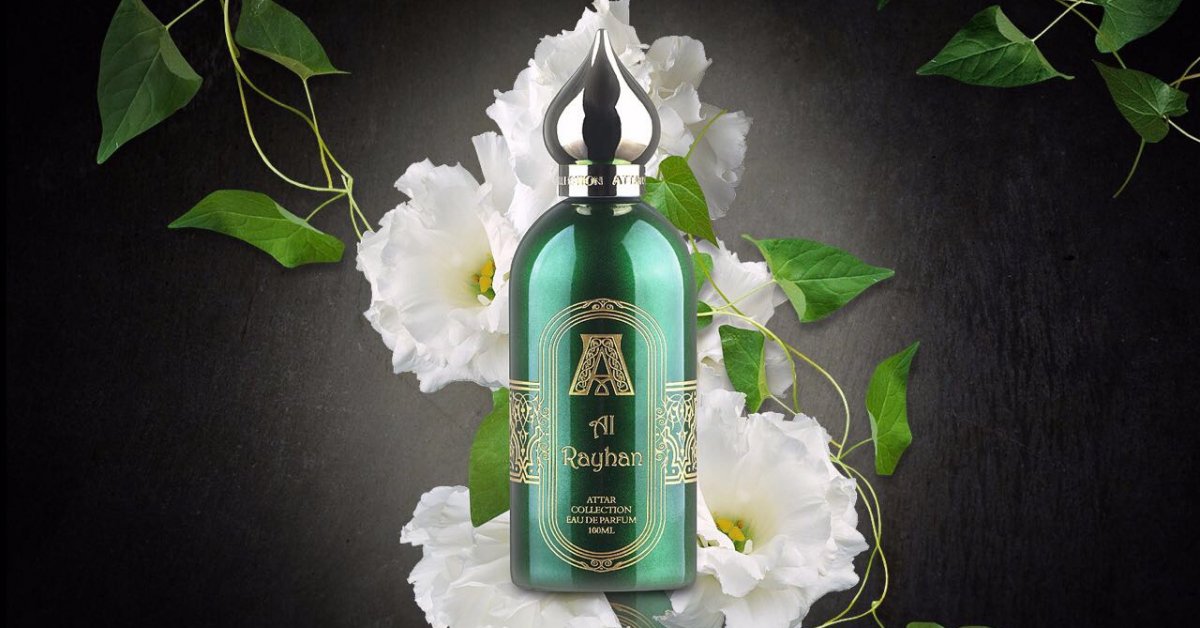
Fragrance has always held a mysterious power — the ability to transport us to distant memories, awaken emotions, and even influence the way we perceive the world. Among all forms of perfume, attar stands apart as something more than just a scent. It is an experience — a liquid expression of culture, spirituality, and artistry that connects the body to the soul. “Scents of Soul: Unveiling the Magic Behind Attar Alchemy” explores the fascinating world of attar — its origins, crafting process, and timeless magic that continues to enchant the modern world.
The Ancient Roots of Attar Alchemy
The word attar (or ittar) originates from the Persian word ‘itr’, meaning fragrance or essence. Its roots stretch back thousands of years, to the time of the Pharaohs of Egypt, the Mughal emperors of India, and the mystics of the Middle East. These civilizations were among the first to experiment with distillation techniques to extract oils from flowers, woods, and herbs.
In ancient Egypt, Cleopatra was said to bathe in rose-scented waters, while in India, sandalwood and jasmine oils were used in sacred rituals. The art of attar making — or attar alchemy — was not merely about producing fragrance; it was about harnessing the spirit of nature. Every drop carried the story of the plant it came from, transformed through fire, water, and human craftsmanship.
By the time of the Mughal Empire, attar had become an essential part of royal life. Emperors like Jahangir and Shah Jahan were known for their passion for perfumery, and the gardens of India were cultivated not just for beauty, but for fragrance. Attar was used to scent clothes, anoint bodies, and offer prayers — a symbol of luxury and spirituality intertwined.
The Mystical Craft of Attar Making
Attar alchemy is as much an art as it is a science. The process is slow, deliberate, and deeply rooted in tradition. Unlike modern synthetic perfumes, which rely heavily on chemical compounds, authentic attars are distilled naturally from botanical materials — flowers, herbs, woods, or resins.
The process begins with the selection of raw ingredients. For example, Ruh Gulab (rose attar) uses fresh roses from the fields of Kannauj, India — often called the “Perfume Capital of the East.” Similarly, Mitti attar is made from the baked earth after rain, capturing the scent of monsoon-soaked soil.
These ingredients are placed in a copper still known as a deg, along with water. The deg is sealed with clay and heated gently over wood fire. As the steam rises, it carries with it the aromatic molecules, which then condense and flow into a receiver filled with sandalwood oil. This oil serves as the base that absorbs and preserves the fragrance. The process may continue for days or even weeks, depending on the material.
What emerges at the end is not just a fragrance — it’s an essence. Each attar has its own character, mood, and story. Some evoke the sweetness of a summer garden, while others whisper of sacred temples and desert nights.
The Soul Within the Scent
What makes attar so extraordinary is its soulful nature. It’s not merely about smelling pleasant — it’s about connecting with something deeper within oneself. The philosophy behind attar alchemy views fragrance as a bridge between the material and the spiritual.
Sufi mystics, for example, used attars in their meditative rituals, believing that certain scents could awaken divine consciousness. The aroma of sandalwood was said to calm the mind, rose to open the heart, and musk to ground the spirit. The scent was a prayer in itself — invisible, yet profoundly present.
In many Eastern cultures, attars are still considered carriers of energy or vibration. Just as music resonates with emotion, fragrance resonates with memory and mood. Wearing an attar isn’t simply an act of adornment; it’s a way of aligning one’s inner state with the rhythm of nature.
The Language of Notes and Nuances
In modern perfumery, fragrances are often divided into top, middle, and base notes — the layers that unfold over time. Attars, too, follow this symphony of scent, but with greater depth due to their natural composition.
- Top Notes – The initial burst of freshness that greets the senses. In rose attar, it’s the delicate floral sweetness that first captures attention.
- Middle Notes – The heart of the fragrance, where complexity blooms. Jasmine, kewra, or saffron might emerge here, weaving warmth into the composition.
- Base Notes – The foundation that lingers for hours, often made from woods like sandalwood or oud. This is the soul of the attar — earthy, grounding, and eternal.
The magic of attar lies in its evolution. A few drops can reveal a journey — from a bright beginning to a deep, meditative end — mirroring the journey of the human spirit itself.
Sandalwood: The Heart of Attar
Sandalwood oil is often called the soul of attar. It serves not only as a base but also as a spiritual conductor that enhances and preserves other fragrances. Its creamy, woody aroma is both calming and sensual — a paradox that gives attars their timeless allure.
Because sandalwood trees take decades to mature, true sandalwood oil is rare and precious. Traditional attar makers treat it with reverence, knowing that every drop embodies years of growth under the sun. In many ways, sandalwood represents the patience and purity of attar alchemy — a reminder that true beauty takes time.
Modern Revival of a Timeless Art
In a world dominated by synthetic fragrances, attar is experiencing a quiet renaissance. Discerning perfume lovers are rediscovering the allure of natural essences, hand-distilled by artisans who still follow centuries-old methods.
Unlike commercial perfumes filled with alcohol, attars are oil-based and skin-friendly. Their longevity is remarkable — a single drop can last all day, adapting to the wearer’s body chemistry and creating a unique scent signature. This individuality is part of what makes attars so enchanting in the modern era of mass production.
Luxury brands and niche perfumers are also drawing inspiration from attar traditions. Oud, amber, and musk have found their way into Western perfumery, bridging cultures through scent. The East’s ancient wisdom of fragrance has become a global language of artistry and elegance.
The Spiritual Dimension of Fragrance
Scent has always been a tool for transcendence. Across cultures, it has been used in temples, churches, and mosques — a silent offering to the divine. The act of burning incense or anointing oneself with attar is symbolic: it represents purification, devotion, and the aspiration to rise above the mundane.
In attar alchemy, this spiritual connection remains central. Each fragrance is crafted not just for the body, but for the soul. The artisans who create attars often do so with prayerful intention, believing that their energy infuses the oil with unseen blessings. In this sense, attar becomes more than perfume — it becomes a vessel of presence and mindfulness.
A Drop of Eternity
To wear an attar is to wear history — the whisper of ancient gardens, the song of distilled petals, the memory of earth and fire. Each drop is a conversation between man and nature, tradition and innovation, body and soul.
In a world that moves too fast, attar invites us to slow down and breathe. It reminds us that true luxury is not found in excess but in essence — in the authenticity of natural fragrance and the craftsmanship that transforms it. The magic of attar alchemy lies in this harmony — the delicate balance between science and soul, between what we smell and what we feel.
Conclusion
“Scents of Soul: Unveiling the Magic Behind Attar Alchemy” is a journey through fragrance that transcends time and culture. It reveals that behind every bottle of attar lies not just oil and aroma, but a philosophy of beauty, patience, and connection.
In the dance of petals and fire, water and wood, attar captures something eternal — the invisible essence that stirs the human heart. To experience it is to remember that scent is not just a luxury — it is the soul’s silent language, whispering through the winds of history, inviting us to rediscover the magic of being alive.