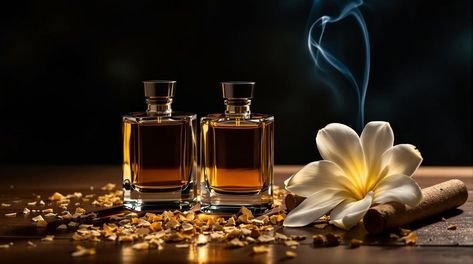
Perfume — a word that evokes elegance, mystery, and emotion. Behind every bottle lies an ancient craft, one that has traveled through time, cultures, and civilizations. The art of perfume creation, often described as the “invisible form of beauty,” is a delicate dance between science and soul. It is a story told through scent, whispered in notes of flowers, woods, spices, and resins — a story that connects humanity across centuries.
The Ancient Origins of Fragrance
The history of perfume dates back over 4,000 years. The first known perfumers were the ancient Egyptians, who believed fragrance was a divine essence capable of pleasing both gods and mortals. They created aromatic oils and incense using resins like myrrh and frankincense. Perfume was more than adornment — it was a sacred offering. Queen Cleopatra herself was said to use unique blends to captivate those around her, turning scent into a tool of seduction and power.
From Egypt, the art spread to Mesopotamia, Greece, and Rome. Archaeological discoveries in Cyprus and Mesopotamia have unearthed ancient perfume workshops with distillation tools that show just how advanced early perfumers were. The Romans, lovers of luxury, used perfume to scent their baths, garments, and even pets. For them, fragrance was an expression of refinement and status.
Perfume Through the Ages
As trade routes expanded, so did the availability of exotic ingredients — from Arabian musk to Indian sandalwood. In medieval Europe, perfume found a new purpose. It was believed that pleasant scents could ward off disease and purify the air. During the Renaissance, the art of perfumery blossomed in Italy and France. Grasse, a small town in southern France, became the epicenter of the fragrance world — a reputation it still holds today.
By the 17th century, perfume was a symbol of aristocracy. French courtiers bathed in fragrances, using them to mask the odors of an era when hygiene was less sophisticated. King Louis XV’s court was famously known as “the perfumed court.” From scented gloves to powdered wigs, perfume was woven into every aspect of daily life.
The 19th century marked the beginning of modern perfumery. The invention of synthetic ingredients revolutionized the craft. Perfume houses like Guerlain and Coty began blending natural and synthetic materials, creating longer-lasting and more complex fragrances. This fusion of art and chemistry allowed perfumers to explore limitless possibilities — and the golden age of perfume was born.
The Craft of Creation
Creating a perfume is a process that balances creativity with chemistry. A perfumer, often called a “nose,” must possess both technical skill and emotional intuition. They train for years, memorizing the characteristics of thousands of raw materials — from delicate jasmine to deep ambergris.
The process begins with inspiration — a story, an emotion, or a place. From there, the perfumer builds the scent in layers, known as notes:
- Top notes: The first impression — light, fresh, and fleeting. Often citrus or herbal.
- Heart notes: The soul of the fragrance — floral, spicy, or fruity elements that emerge as the top notes fade.
- Base notes: The foundation — rich, long-lasting aromas like musk, vanilla, or wood that linger on the skin.
Together, these layers create the olfactory pyramid, a structure that gives perfume its unique personality. Crafting this balance can take months or even years of experimentation. The smallest adjustment — one drop too much of a particular oil — can transform the entire composition.
The Language of Scent
Perfume is more than chemistry; it is a form of expression. Every fragrance tells a story and speaks a language that transcends words. A single whiff can awaken forgotten memories, transport someone to another place, or stir deep emotions.
Psychologists and neuroscientists have long studied the power of scent. Our sense of smell is directly linked to the limbic system — the part of the brain responsible for emotion and memory. That is why a familiar fragrance can instantly evoke nostalgia or comfort. The scent of rose might remind one person of a first love, while for another, it recalls a childhood garden.
Perfumers often describe their creations in musical or poetic terms. They speak of “harmonies,” “chords,” and “notes.” Just as a composer writes a symphony, a perfumer composes with scent — each element adding rhythm, mood, and depth.
The Ingredients: Nature’s Poetry
Every perfume begins with raw materials — the whispers of nature captured in liquid form. These ingredients can come from flowers, fruits, woods, or even animal sources (though many animal-derived notes are now created synthetically for ethical reasons).
- Floral notes: Rose, jasmine, tuberose, and lily — the eternal symbols of romance.
- Woody notes: Sandalwood, cedar, and patchouli — grounding, warm, and sensual.
- Citrus notes: Lemon, bergamot, and orange — bright and invigorating.
- Spicy notes: Cinnamon, clove, and cardamom — exotic and mysterious.
- Resinous notes: Amber, frankincense, and myrrh — deep and spiritual.
Extracting these essences is an art in itself. Techniques such as distillation, enfleurage, and solvent extraction have been refined over centuries. Modern perfumery also relies on synthetic molecules, which can mimic natural scents or create entirely new ones. This marriage of nature and innovation allows perfumers to explore a universe of aromas once impossible to achieve.
The Alchemy of Emotion
At its heart, perfume creation is an emotional art. The perfumer must translate an abstract idea — love, mystery, serenity — into something tangible and sensory. Some perfumes aim to capture a season, like the crispness of autumn leaves or the salt of summer air. Others embody a feeling — confidence, intimacy, or nostalgia.
For example, a fragrance inspired by a desert might combine smoky oud, dry amber, and soft musk to evoke the heat of the sand and the quiet of the night. Another, inspired by the ocean, might blend sea salt, driftwood, and citrus to recreate the feeling of wind and waves.
This emotional connection is what makes perfume timeless. It is not just about smelling good; it is about feeling something profound.
Modern Perfumery: Tradition Meets Technology
Today’s perfume industry is a blend of artistry and technology. While traditional perfumers still rely on intuition and natural ingredients, modern science allows for unprecedented precision. Artificial intelligence is being used to analyze scent compositions, predict consumer preferences, and even suggest new ingredient combinations.
Yet, despite these advances, the essence of perfume creation remains deeply human. Machines may assist, but only the human heart can infuse a fragrance with meaning. Perfumers still follow their instincts, guided by memory and emotion — the same way their ancestors once did in ancient temples and royal courts.
Sustainability has also become a crucial part of the modern craft. Ethical sourcing of raw materials, eco-friendly packaging, and cruelty-free production are reshaping the industry. Consumers today want beauty without harm — and perfumers are responding with innovations that respect both nature and tradition.
Perfume as Personal Identity
Perfume has always been an extension of self — an invisible signature. It reflects personality, mood, and style. Some wear fragrance as armor, others as a whisper of intimacy. A scent can be bold and daring or soft and comforting.
In a world of fleeting trends, perfume remains timeless because it connects to something primal — our senses and emotions. A single fragrance can define an era, a culture, or an individual. Think of Chanel No. 5, Dior J’adore, or Tom Ford’s Black Orchid — each tells a story, each carries a mood, each becomes part of the wearer’s identity.
The Eternal Whisper
The craft of perfume creation is not merely about mixing oils and essences — it is about capturing the soul of experience. It is about distilling emotion into an invisible form that lingers in the air long after the wearer has gone. Perfume is the whisper of memory, the shadow of elegance, the language of love and longing.
From the temples of Egypt to the ateliers of Grasse, from royal palaces to modern laboratories, the art of fragrance continues to evolve — yet its essence remains unchanged. It is still a craft guided by passion, patience, and imagination.
In every drop of perfume lies a story — of earth and flower, of fire and water, of time and emotion. These whispers of aroma remind us that beauty need not be seen to be felt, and that sometimes, the most powerful expressions are those that linger in silence.
Perfume is not just worn — it is experienced, remembered, and cherished. And that is what makes the timeless craft of perfume creation a true art of the senses.